By: MaeLynn Hill
There’s a growing conversation inside the automotive world that nobody really wants to have: car culture might be slowly destroying itself.
Not because people stopped loving cars. Not because manufacturers stopped building exciting machines. And not because younger generations “don’t get it.” If anything, passion for cars is louder online than ever before.
The problem is what that passion sometimes turns into.
From highway takeovers and reckless street racing to parking lot burnouts and dangerous stunt driving at meets, the behavior of a small portion of enthusiasts is beginning to reshape how the public — and law enforcement — views the entire community. And unfortunately, the consequences are starting to hit everyone.
When Passion Turns Into Chaos
Car culture has always carried a rebellious spirit. That’s part of what made it exciting. Late-night cruises, modified imports, loud exhausts, drifting, drag racing — these things were built into the DNA of enthusiast culture for decades.
But somewhere along the line, social media changed the goal.
For some people, it stopped being about the cars and started being about attention.
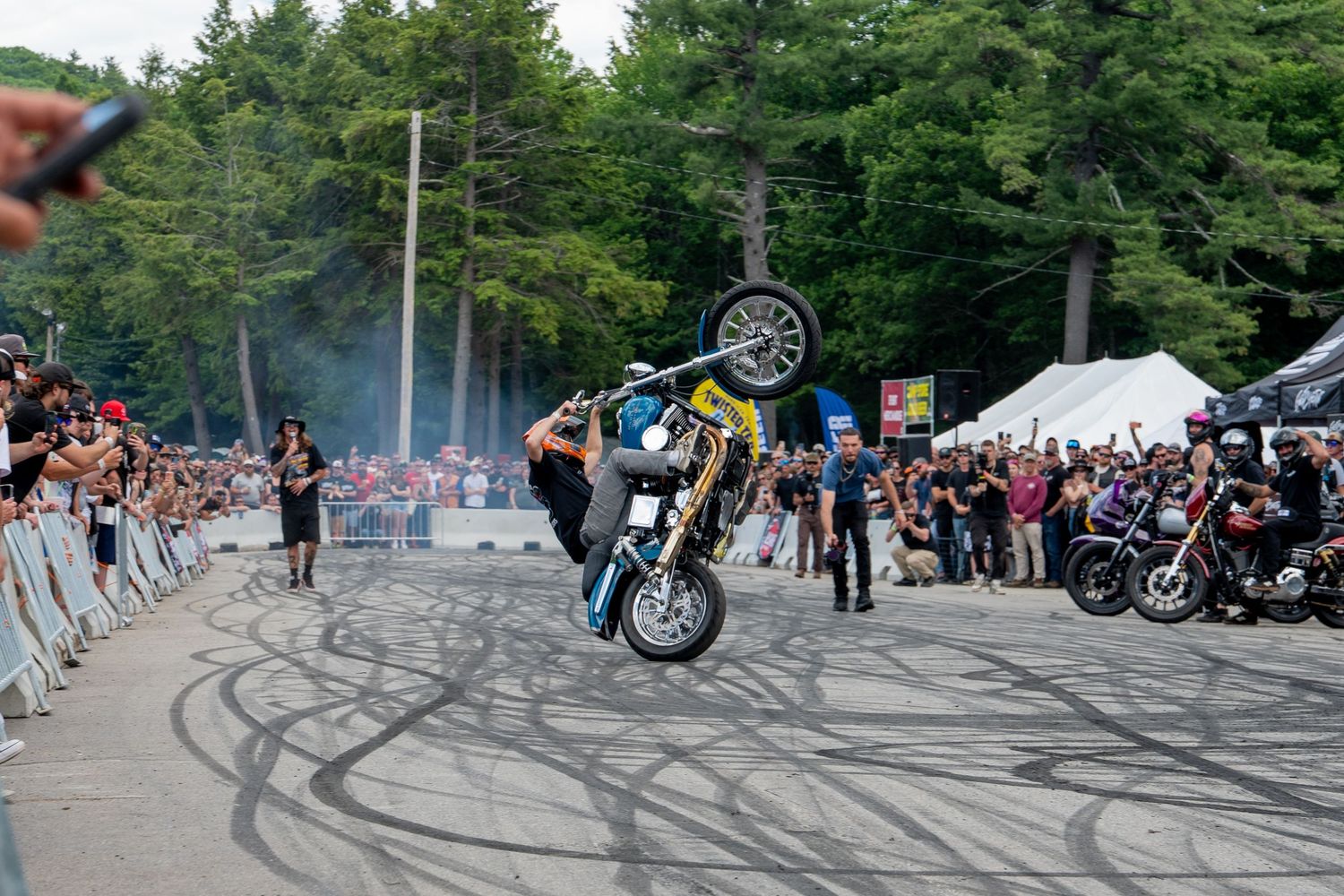
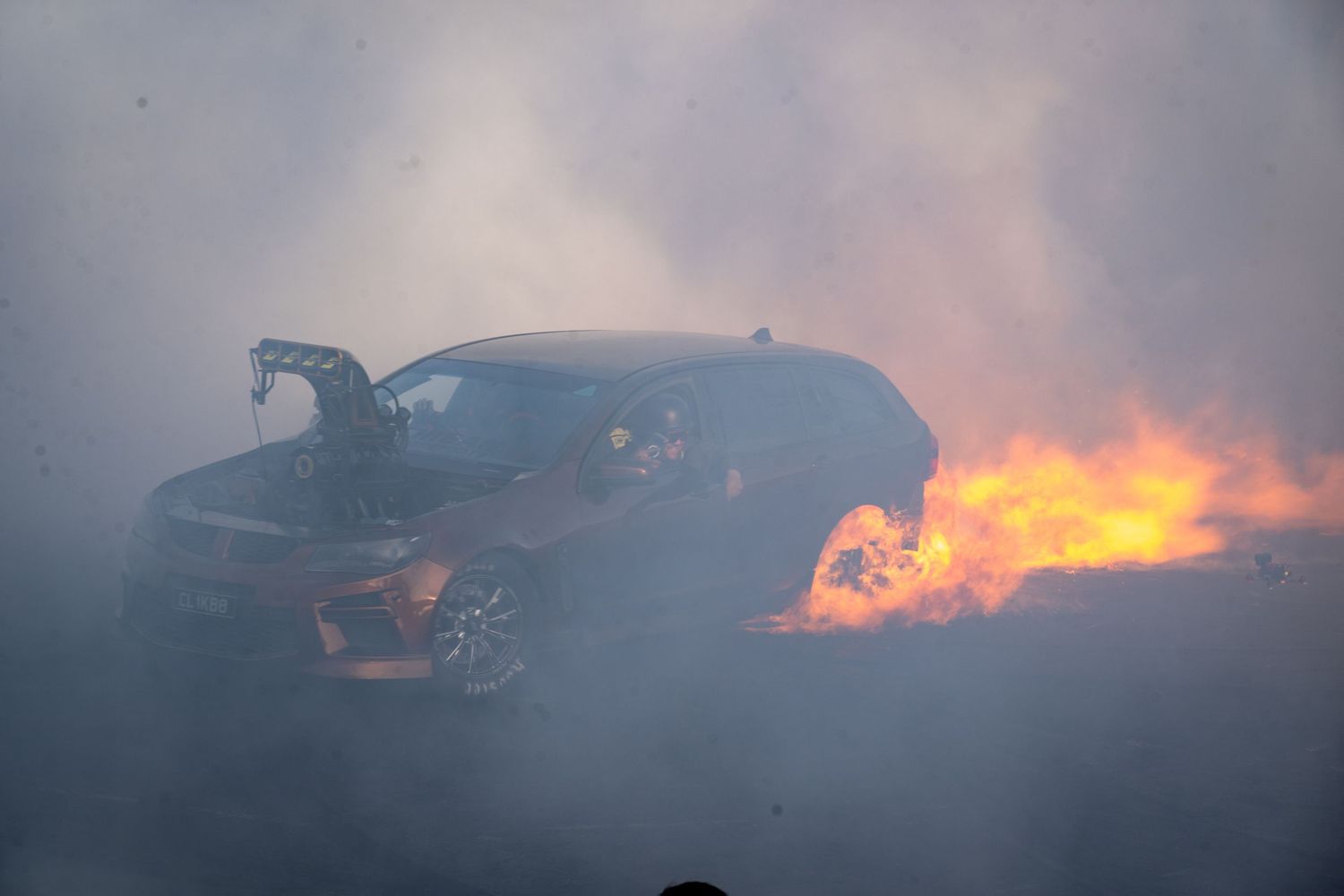
Now, meets that once centered around community and creativity can quickly spiral into dangerous situations. Burnouts in crowded intersections. Drivers weaving through traffic for clips. Spectators standing inches away from spinning cars just to record a viral video. Public roads becoming racetracks.
And every time another video circulates online, the backlash grows stronger.
The Ripple Effect Nobody Talks About
The people acting recklessly often leave before consequences hit. But the rest of the community stays behind to deal with the fallout.
Cities crack down on car meets entirely. Police begin targeting modified cars regardless of whether the owner did anything wrong. Event permits become harder to obtain. Businesses stop allowing meets in their parking lots. Insurance companies raise rates. Tracks and venues shut down due to liability concerns.
Even simple gatherings are now viewed with suspicion in many areas.
One reckless night can undo years of effort from organizers trying to build positive spaces for enthusiasts.
Social Media Rewarded the Wrong Things
There was a time when recognition in car culture came from craftsmanship, originality, photography, or motorsport skill. People respected clean builds, unique ideas, and dedication.
Now algorithms reward shock value.
A carefully built project car might get ignored while a reckless takeover video racks up millions of views overnight. Younger enthusiasts entering the scene often see the chaos first and mistake it for what “real” car culture is supposed to look like.
But most enthusiasts don’t want that.
Most people simply love cars. They love driving, building, learning, photographing, road-tripping, detailing, restoring, racing safely, and connecting with others who understand the obsession.
Unfortunately, the loudest behavior tends to define the culture from the outside.
Enthusiasts Are Being Forced to Defend Themselves
You can already feel the shift happening.
Many legitimate events now have strict security. Organizers openly warn attendees about reckless behavior before meets even begin. Some communities are moving locations privately to avoid unwanted attention. Others have stopped hosting events entirely because the risk became too high.
There’s also growing tension within the community itself. Enthusiasts who speak out against dangerous behavior are sometimes mocked for “killing the vibe,” while others are simply exhausted from seeing the hobby constantly associated with destruction and irresponsibility.
The reality is simple: if the culture doesn’t police itself, somebody else will.
And when that happens, everyone loses.
Car Culture Isn’t Dead Yet
Despite all of this, car culture is still alive — just evolving.
You still see incredible builds, genuine friendships, creative expression, grassroots motorsports, photographers capturing unforgettable moments, and communities raising money for charity through automotive events. You still see people spending years building dream cars in cramped garages because they genuinely love the process.
That part of the culture still matters.
But preserving it means recognizing the difference between passion and recklessness.
Doing burnouts in crowded intersections isn’t preserving car culture. Endangering people for clout isn’t enthusiasm. Turning public streets into content farms doesn’t strengthen the community — it damages it.
If car culture survives long-term, it’ll be because enthusiasts decided the community was worth protecting.
We have to work together to save it. See something, say something. I hope the community I have come to lover perseveres and continues the way I have known it.
Until next time.
Motor On.